
Keyword Research for Beginners: How to Find the Right Keywords
Most pages on the internet get zero traffic from Google. Not low traffic. Zero. According to Ahrefs, that’s true for over 90% of all indexed pages. And the biggest reason? The content was created without checking whether anyone was actually searching for it. so Learn keyword research for beginners with simple steps to find profitable keywords, analyze search intent, check competition, and improve your SEO rankings.
That’s where keyword research comes in. It’s the process of figuring out what your potential audience types into Google, how often they search for it, and how tough the competition is. Without it, you’re essentially guessing. You might write the best article on a topic nobody cares about, or target a phrase so competitive that your page never sees the first page of results.
This guide walks you through the entire process from scratch. You’ll learn what keyword research actually is, the different types of keywords and search intent behind them, free and paid tools you can start using today, and how to analyze and prioritize the keywords that will actually move the needle for your business.
What is Keyword Research and Why is it Essential for Your Online Presence?
Defining Keyword Research: The Foundation of SEO
Think of keyword research as getting inside your customer’s head. It’s the process of discovering the exact phrases and questions people type into Google when they’re looking for what you offer. Simple as that.
Here’s the thing. You could write the most brilliant blog post in the world, but if nobody searches for it, nobody finds it. Studies show that 90.63% of web pages get absolutely zero traffic from Google. Zero. That’s a staggering number, and keyword research is how you avoid becoming part of that statistic.
Keyword research is the first step in any solid SEO strategy. Before you write a single word of content, you need to know what your audience actually wants to read. Are they searching for “best running shoes” or “cheap running shoes for flat feet”? The difference matters. A lot.
Without this foundational research, you’re basically throwing content into the void and hoping something sticks. That’s not a strategy. That’s a gamble. Proper keyword research ensures your content aligns with real search demand, real people, and real traffic potential.
The Crucial Role of Keywords in Driving Targeted Traffic
Keyword research does something magical. It brings you visitors who are already interested in what you have to say or sell. These aren’t random clicks. They’re targeted, qualified visitors who typed in a specific question or need that your content answers.
When done right, keyword research answers three critical questions. What are people searching for? How many people are searching for it? And in what format do they want that information? A blog post? A video? A product page? These insights shape your entire content strategy.
Let’s say you run a coffee blog. Without keyword data, you might write about “espresso art techniques.” Sounds cool, right? But what if only 50 people search for that each month, while 10,000 people search for “how to make espresso at home”? That’s the difference between a trickle and a flood of visitors.
An effective keyword strategy boosts your entire website’s visibility. You stop guessing and start knowing what your audience cares about. You create content that ranks, attracts organic traffic, and ultimately converts visitors into customers or loyal readers.
This is where platforms like Kropme come in. Kropme’s SEO Optimization services are built around thorough keyword research that improves website visibility and drives organic traffic. They ensure your content doesn’t just exist online but actually reaches the right audience at the right time. When your keywords align with user intent, your website becomes a magnet for people ready to engage with your brand.
Decoding Search Intent and Understanding Keyword Types
Understanding Search Intent: Why People Search
Think of search intent as the “why” behind every Google search. When someone types a query, they have a specific goal in mind. Understanding what they really want helps you create content that actually satisfies their needs.
Let’s break down the main types of search intent you’ll encounter. Informational queries are all about learning something new. Someone searching “how to make coffee” or “coffee cake recipe” wants instructions or knowledge. They’re not ready to buy anything yet. They just want answers.
Navigational queries happen when users already know where they want to go. They’re using Google as a shortcut to reach a specific website or location. Searches like “Kropme website” or “stumptown coffee” fall into this category. The person has a destination in mind and just needs help getting there.
Transactional queries signal buying intent. These searchers are ready to take action right now. When someone types “best instant coffee” or “cuisinart coffee maker,” they’re probably pulling out their credit card soon. This is prime territory for product pages and clear calls to action.
Here’s where it gets interesting. Commercial investigation queries sit between information gathering and purchasing. Someone searching “best coffee makers review” is doing their homework before spending money. They want comparisons, ratings, and expert opinions. This is your chance to build trust before they make a decision.
Don’t forget local queries. These are location-specific searches like “coffee near me” or “drive thru coffee.” These users want immediate, nearby solutions. Google knows this and serves up map results and local business listings.
Getting search intent right transforms your keyword strategy. You could rank first for a keyword, but if your content doesn’t match what the searcher actually wants, they’ll bounce back to Google in seconds. When you align your content with search intent, people stick around, engage, and often convert.

Exploring Different Keyword Types
Keywords come in different shapes and sizes. Each type serves a distinct purpose in your SEO strategy.
Seed keywords are your starting point. These are broad, simple terms related to your business or topic, like “coffee” or “hiking.” You won’t target these directly in most cases. Instead, you’ll use them to generate more specific keyword ideas.
Short-tail keywords, sometimes called head keywords, are the big fish. Usually one or two words long, they get massive search volume. “Hiking” or “pizza” might sound tempting because thousands of people search for them monthly. But there’s a catch. Competition is fierce, and ranking difficulty is sky-high. Plus, these keywords are so vague that even if you rank, the traffic might not convert well because the intent is unclear.
Here’s where smart beginners focus their energy: long-tail keywords. These are specific phrases with three or more words. Think “best android app for geocaching” or “best price red womens size 7 running shoe.”
 Yes, fewer people search for these terms. But the people who do are looking for exactly what you offer.
Long-tail keywords pack serious power. They have lower competition, making them easier to rank for when you’re just starting out. The searchers using these terms know what they want, which means higher conversion rates. According to Mangools, long-tail keywords often represent a significant chunk of overall organic traffic. They’re also perfect for answering specific questions your audience is asking.
Kropme’s SEO Optimization services leverage this knowledge by balancing keyword types. We help businesses find that sweet spot between attainable rankings and valuable traffic. The goal isn’t just to rank for anything. It’s to rank for the right things that drive real business results.
Practical Strategies and Tools to Discover the Right Keywords
Starting Your Research: Brainstorming Seed Keywords
Every successful keyword research journey starts with seed keywords. These are the basic terms that describe what your business does or what topics your website covers.
Think like your customer. What would you type into Google if you needed your product or service? If you run a bakery, your seed keywords might be “fresh bread,” “custom cakes,” or “gluten-free pastries.” The goal is simple: capture those core ideas that represent your business.
Start with what you know. List your products, services, or main topics. Don’t overthink it at this stage. These initial terms are just your starting point, not your final keyword list. A good practice is to write down 5 to 10 broad terms that relate directly to what you offer. These seed keywords become the foundation for discovering hundreds of more specific, valuable keywords.

Once you have your seed list, you’ll expand it using various tools and techniques. Your brainstorming session doesn’t need to be perfect. It just needs to be honest about what your audience actually cares about.
Leveraging Free Keyword Research Tools
You don’t need to spend money right away to start finding great keywords. Several free tools can give you solid data and fresh ideas.
Google Keyword Planner is the most obvious starting point. Originally built for Google Ads users, it helps you discover new keyword ideas and see approximate search volumes. The catch? Search volumes appear in broad ranges unless you’re running active paid campaigns. Still, it’s valuable for brainstorming and understanding PPC costs.
Google Trends shines when you need to understand timing and momentum. This tool shows you whether a keyword is rising or falling in popularity over time. You can compare multiple keywords, see seasonal patterns, and filter by location. If you’re deciding between two similar keywords, Google Trends helps you pick the one with better long-term potential.
AnswerThePublic takes a different approach. Enter your seed keyword, and it generates dozens of questions, prepositions, and comparisons based on real Google autocomplete data. This tool is perfect for finding question-based long-tail keywords that people actually ask.
Even ChatGPT and other AI models can help during the brainstorming phase. While they don’t provide search volumes or difficulty scores, they can suggest related topics and variations you might not have considered. Just remember to verify any AI suggestions with actual SEO data before building content around them.
Utilizing Advanced Keyword Research Tools for Deeper Insights
Free tools get you started, but professional SEO platforms take your research to the next level.
Tools like Ahrefs Keywords Explorer, Mangools KWFinder, and Moz Keyword Explorer provide the comprehensive data that serious SEO work demands. These platforms show exact monthly search volumes instead of vague ranges. They calculate keyword difficulty scores so you know which terms are realistic targets. They reveal what’s already ranking on page one and why. They even estimate how much traffic the top pages actually receive.
The time savings alone make these tools worthwhile. What might take hours with free tools happens in minutes with professional platforms. Enter a seed keyword and instantly get hundreds of related keyword ideas, complete with all the metrics you need to make smart decisions.
Kropme’s SEO Optimization and SEM Marketing services rely on advanced keyword research tools to build data-driven strategies for clients. Whether you’re targeting organic rankings or planning paid search campaigns, having accurate keyword intelligence makes the difference between guessing and knowing what will work.
Competitor Analysis and Content Gap Opportunities
Your competitors have already done valuable research. Why not learn from it?
Competitive intelligence tools like Ahrefs Site Explorer or KWFinder’s competitor analysis features let you see exactly which keywords your competitors rank for. This isn’t about copying their strategy. It’s about understanding what’s working in your space and finding opportunities they’ve missed.
Content gap analysis is particularly powerful. You enter your website and several competitor URLs, and the tool identifies keywords that your competitors rank for but you don’t. These gaps represent proven opportunities. If three competitors all rank well for a specific keyword and you don’t even have content targeting it, that’s a clear signal worth investigating.
This approach also helps you discover keywords you wouldn’t have thought of on your own. Real search behavior often surprises us. Analyzing what’s already working in your niche grounds your strategy in reality rather than assumptions.
Discovering Keywords from Google Search Features and Niche Communities
Some of the best keyword ideas hide in plain sight, right in Google’s search results and the communities where your audience hangs out.
Google Autocomplete gives you instant insight into popular searches. Start typing a keyword and watch what Google suggests. These predictions reflect real, common queries from users. “People Also Ask” boxes take this further by showing related questions that searchers care about. These PAA questions are gold for long-tail, informational content ideas.
Scroll to the bottom of any search results page and you’ll find “Searches related to…” This section offers additional keyword variations and related concepts that expand your content possibilities.
Don’t overlook Google Search Console if your site has been live for a while. This free tool shows you which keywords already bring impressions and clicks to your site. Look for keywords with high impressions but low clicks. That’s where you’re showing up in search results but not getting the click. A small content optimization might unlock significant traffic. Also check for keywords where you rank on page two or three. Those are often easier to improve than starting from scratch.
Finally, dive into niche communities where your audience naturally gathers. Reddit threads, Quora questions, Facebook groups, YouTube comments, Amazon reviews, and even Wikipedia can reveal how real people talk about your topic.
 They use different language than you might expect. They ask questions you didn’t know they had. These insights help you create content that truly resonates and captures search traffic your competitors miss.
Keyword research isn’t just about tools and metrics. It’s about understanding people, what they need, and how they look for solutions. The best keyword strategies combine data with genuine human insight.
Analyzing and Prioritizing Keywords for Maximum Impact
Once you’ve collected a list of potential keywords, the real work begins. You need to understand which keywords deserve your attention and which ones will waste your time. Think of it like shopping with a limited budget. You can’t buy everything, so you pick items that give you the best value.

Key SEO Metrics for Keyword Evaluation
Search Volume shows you the average number of times people search for a keyword each month. Keep in mind this number represents an annual average and varies by country. A keyword might get 1,000 searches in the United States but only 50 in Canada. Don’t let high search volume blind you to other important factors.
Traffic Potential matters more than search volume in many cases. This metric reveals the total search traffic the top-ranking page receives from all keywords it ranks for, not just your target keyword. A page ranking for “best coffee makers” might pull in visitors from dozens of related terms like “top rated coffee machines” and “coffee maker reviews.”
Keyword Difficulty (KD) gives you an estimated score of how hard it will be to crack the top 10 search results. Most tools base this score on backlinks, since links still carry serious weight in Google’s algorithm. A new website should think twice before chasing keywords with 70+ difficulty scores.
Cost Per Click (CPC) tells you what advertisers pay for a click on that keyword. Higher CPC usually signals commercial value. If companies are willing to pay $15 per click, that keyword probably converts well and brings in customers who spend money.
Growth helps you spot trending keywords or seasonal patterns. A keyword might look average now but could explode in three months. Tracking growth lets you anticipate future search demand and create content before your competitors notice the trend.
Business Potential measures how naturally you can promote your product or service while covering a keyword. A keyword like “free coffee recipes” might have high volume, but if you sell coffee makers, it’s tough to pitch your product without seeming pushy.
Strategically Prioritizing Keywords for Your Business Goals
Every business sits in a different position. A brand new website can’t compete for the same keywords as an established authority. Your team size matters too. A solo blogger needs a different strategy than a company with five content writers.
Balance multiple factors when choosing keywords. Look at traffic potential alongside keyword difficulty. Consider business potential and search intent together. A keyword might seem perfect until you realize the search intent doesn’t match what you offer.
Set both short-term and long-term targets. Quick wins come from low-difficulty keywords with decent search volume. These might not bring massive traffic, but they get you ranking and building authority. Long-term plays involve high-difficulty, high-value keywords that could take months or years to conquer but deliver sustained growth once you get there.
Don’t just pick the easiest keywords to rank for. Choose keywords that make sense for your business goals. If you’re selling premium products, targeting keywords full of freebie-seekers wastes your effort even if they’re easy to rank for.
Kropme’s Web Designing services build site structures optimized for keyword clusters from the ground up. This foundation makes implementing your keyword strategy seamless and sets you up for long-term SEO success without needing major redesigns later.
The Power of Keyword Clustering
Keyword clustering saves you from creating dozens of nearly identical pages. This approach groups related keywords that share similar search results, allowing one comprehensive page to rank for multiple terms at once.
Search engines have gotten smarter. They understand “best coffee makers,” “top coffee machines,” and “coffee maker reviews” all seek similar information. Creating separate pages for each term dilutes your authority. One thorough page targeting all three performs better.
The process simplifies your overwhelming keyword list into manageable topics. You might start with 200 keywords but cluster them into 25 content pieces.
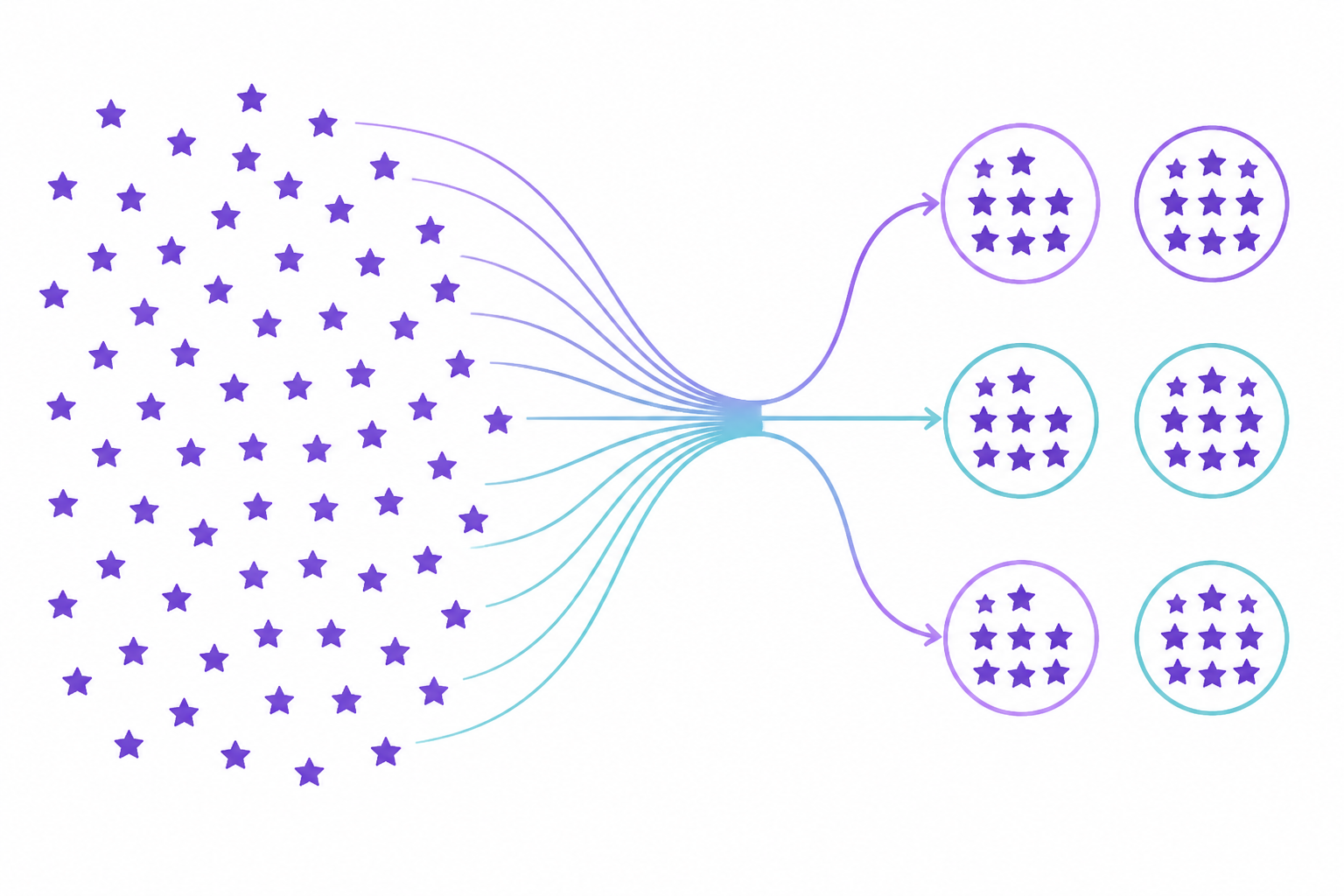 This makes your content calendar less intimidating and helps you create more in-depth articles that satisfy a broader range of user questions.
Modern keyword tools provide metrics like “Parent Topic” that automatically identify these clusters. The tool analyzes which keywords tend to rank together and groups them for you. This automation turns hours of manual work into a few clicks, letting you focus on creating great content instead of spreadsheet gymnastics.
Conclusion
Keyword research is one of the most important foundations of a successful SEO strategy. You don’t need to be an SEO expert to get started. Moreover, by understanding what your audience is searching for, checking search intent, evaluating competition, and choosing relevant keywords, you can create content that has a better chance of reaching the right people.
Remember, effective keyword research is not simply about finding keywords with high search volume. The goal is to find keywords that are relevant to your business, match your audience’s search intent, and provide realistic opportunities to rank.
Start with a few closely related keywords, explore long-tail variations, and use them naturally throughout your content. As your website grows, regularly review your keyword performance and update your content based on changes in search behavior.
Most importantly, write for people first and search engines second. When your content genuinely answers a user’s question and provides useful information, SEO becomes much more effective in the long run.
If you’re just starting your SEO journey, mastering keyword research is a great first step toward building a stronger organic search presence.
Frequently Asked Questions (FAQs)
1. What is keyword research?
Also, keyword research is the process of finding and analyzing the words and phrases people type into search engines when looking for information, products, or services. It helps you understand what your target audience is searching for and choose relevant keywords for your content.
2. Why is keyword research important for SEO?
Further, keyword research helps you create content based on real search queries. It can help you understand your audience, identify content opportunities, match search intent, and improve your chances of appearing in relevant search results.
3. How do beginners do keyword research?
Beginners can start by brainstorming topics related to their business, checking Google search suggestions, analyzing related searches, and using keyword research tools to evaluate search volume, competition, and search intent.
4. What is a good keyword for a beginner?
A good beginner keyword is relevant to your topic, has clear search intent, and has competition that is realistic for your website. Long-tail keywords are often useful because they are more specific and can better match what users are looking for.
5. What are long-tail keywords?
Long-tail keywords are longer and more specific search phrases, usually containing several words. For example, instead of targeting “SEO,” a website might target “SEO tips for small businesses in India.” These keywords often have more specific search intent.
6. What is search intent in keyword research?
Also, search intent refers to the reason behind a user’s search. A person may be looking for information, comparing products or services, finding a particular website, or preparing to make a purchase. Understanding intent helps you create content that satisfies what the searcher actually wants.
7. Should I choose keywords with high search volume?
Further, not necessarily. High-volume keywords can also have strong competition. A lower-volume keyword that is highly relevant to your audience and has clear intent may provide a better opportunity, especially for a newer or smaller website.
8. How many keywords should I use in a blog post?
Moreover, there is no fixed number of keywords you need to use. Focus on one primary keyword and naturally include relevant secondary keywords and related phrases where they make sense. Avoid keyword stuffing, as it can make your content difficult to read.
9. What are some free keyword research tools?
Beginners can explore tools such as Google Keyword Planner, Google Trends, Google Search Console, and other SEO keyword research platforms. Different tools provide different types of data, so using more than one source can give you a broader understanding of keyword opportunities.
10. What is keyword difficulty?
Keyword difficulty is an SEO metric used by many keyword research tools to estimate how difficult it may be to rank for a particular keyword. The calculation varies between tools, so it should be treated as a guide rather than an absolute ranking prediction.
11. Can I rank for competitive keywords as a new website?
It is possible, but highly competitive keywords can take considerable time and effort. New websites can often begin by targeting more specific, relevant long-tail keywords and gradually build authority through useful content, internal linking, backlinks, and consistent SEO work.
12. How often should I do keyword research?
Keyword research doesn’t have to be done from scratch every week. Review your keyword strategy periodically and whenever you launch a new service, create a new content category, enter a new market, or notice changes in your audience’s search behavior.
13. What is the difference between a primary keyword and secondary keywords?
A primary keyword is the main search term you want a page to target. Secondary keywords are related terms and variations that help cover the topic more comprehensively. For example, if your primary keyword is “keyword research for beginners,” related terms might include “how to do keyword research” and “SEO keyword research.”
14. Is keyword research still important for modern SEO?
Yes. Search engines have become much better at understanding context and user intent, but understanding the language your audience uses remains valuable. Keyword research can help you discover topics, questions, and search intent that should be addressed in your content.