
Every One Know the 7 Silent Signs Your Liver Is Struggling. Your liver is one of the hardest-working organs in your body. It filters toxins, helps with digestion, produces proteins for blood clotting, and handles hundreds of other tasks you never think about. But here’s the thing. When it starts to struggle, it doesn’t send you a clear, obvious signal. There’s no sharp pain that screams “check your liver.” Instead, it whispers.
And those whispers are easy to miss. Feeling wiped out all the time? You blame stress. Skin getting itchy for no reason? Must be dry weather. A little extra bloating around your midsection? Probably just last night’s dinner. Most people wouldn’t connect any of these to their liver. That’s exactly what makes liver problems so dangerous. By the time the signs become impossible to ignore, the damage can be well advanced.
This post covers seven warning signs your liver may be sending you right now. Some are visible, like changes in your skin or eyes. Others are internal and harder to spot, like brain fog or constant fatigue. Knowing what to look for could make all the difference in catching a problem early.
Visible and Physical Manifestations of Liver Distress
Jaundice and Discoloration: Yellow Skin, Eyes, Dark Urine, and Pale Stool
When your liver starts failing, one of the most noticeable changes happens right on your skin. Jaundice is that telltale yellowing of your skin and the whites of your eyes. It’s actually one of the more common signs of liver problems that indicates severe liver disease or even liver cancer. Interestingly, this yellowing often appears first under your tongue before it spreads to other areas.
So what’s causing this yellow tint? Your liver normally processes bilirubin, which is a yellow substance that comes from old red blood cells breaking down in your body. When your liver can’t handle this job properly anymore, bilirubin starts building up in your bloodstream and tissues. That’s when you start looking like you’ve got a yellow filter on real life.
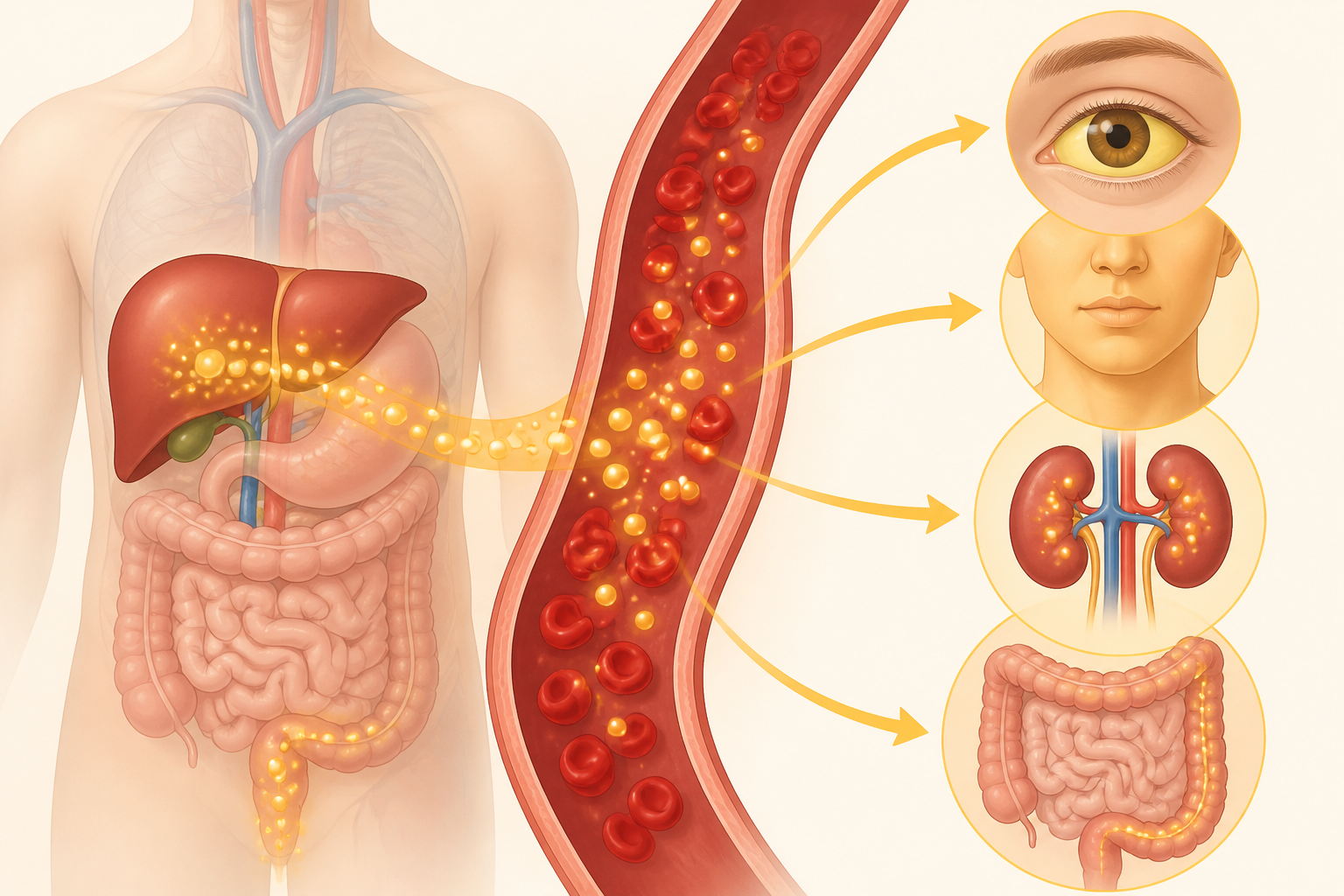
But the discoloration doesn’t stop at your skin. You might notice your urine turning dark, almost like strong tea. This happens because that excess bilirubin spills into your bloodstream and eventually gets filtered out through your kidneys. On the flip side, your stool might go the opposite direction and become pale, white, or clay-colored. This occurs when bile flow to your intestine gets blocked or stalled, preventing the normal brown color that bile usually gives to your waste.
There’s another uncomfortable symptom that often tags along with jaundice. Intense itching. We’re talking about the kind of itchiness that drives you crazy, especially at night. This isn’t your average dry skin situation. The culprit here is bile salts accumulating in your bloodstream and settling under your skin, and it happens when your liver isn’t functioning correctly, as noted by gastroenterology specialists.
Abdominal Swelling (Ascites) and Peripheral Edema
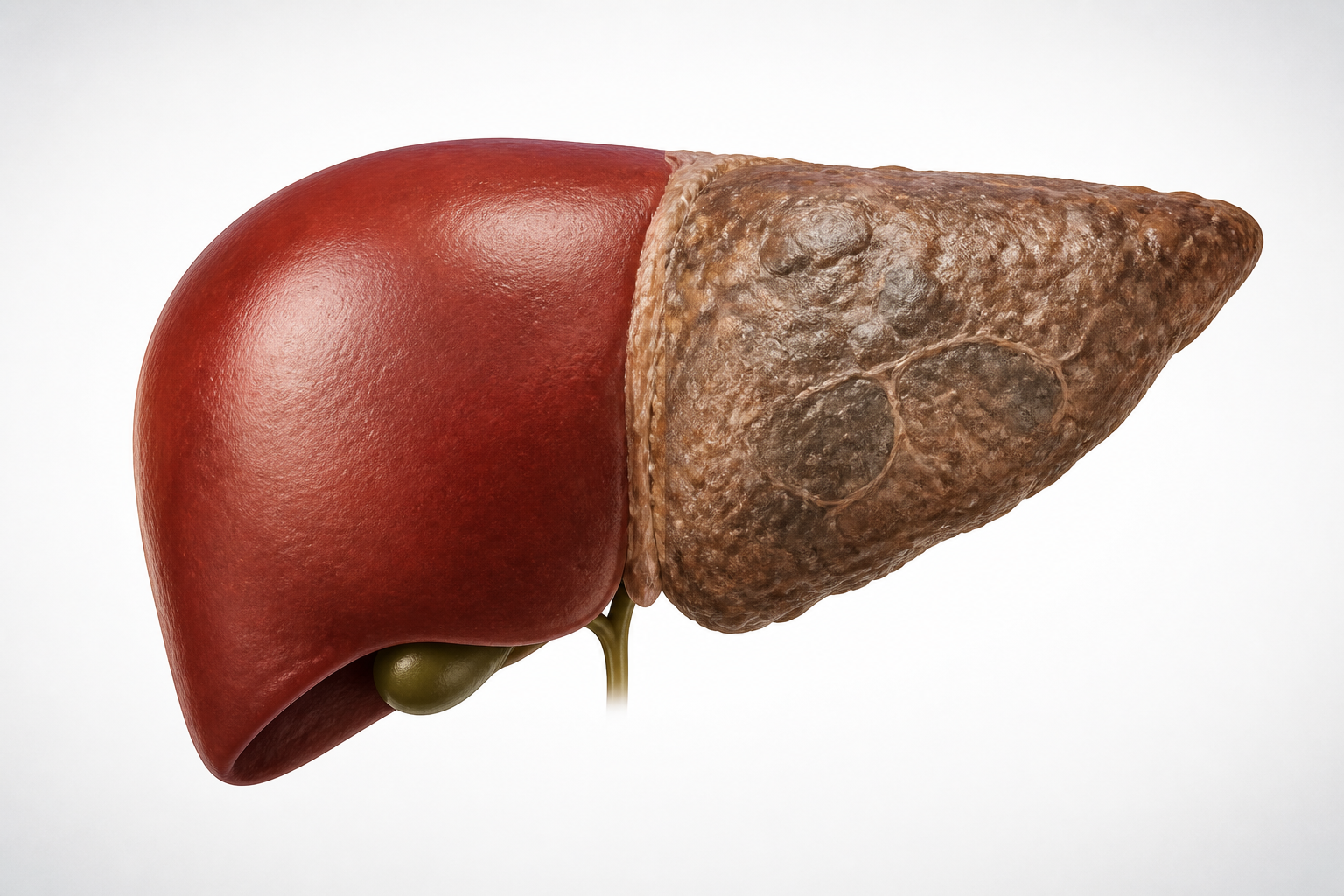
Here’s where things get uncomfortable in a different way. Liver disease, especially when it comes with cirrhosis (that’s the scarring of liver tissue), throws your body’s fluid balance completely out of whack. The result is fluid buildup in your abdomen called ascites.
Ascites isn’t subtle. You might experience sudden, rapid weight gain, particularly around your waist. Your abdomen can become severely swollen, almost like you’re pregnant when you’re not. Some people describe feeling tight and uncomfortable in their midsection, and clothes that fit perfectly last month suddenly won’t button.
The swelling doesn’t always stay in your belly. You might notice your ankles, legs, and feet puffing up too. This is called edema, and it happens because your struggling liver isn’t producing enough proteins to keep fluid where it belongs, inside your blood vessels. When those protein levels drop, fluid leaks out into surrounding tissues. Your body’s entire fluid balance gets disrupted, leading to swelling in multiple areas.
Easy Bruising and Bleeding: A Sign of Impaired Clotting
Have you been bruising from the slightest bump? Or maybe you’ve noticed bleeding that just won’t stop as quickly as it used to? These could be red flags that your liver is struggling.
Your liver plays a critical role in blood clotting. It produces essential clotting factors that help your blood solidify when you get a cut or injury. When your liver starts failing, it can’t keep up with this vital function. You might find yourself covered in bruises that you don’t even remember getting. Women might experience unusually heavy periods. Even small cuts might bleed longer than they should. In more serious cases, you might even notice blood in your stool, which requires immediate medical attention.
Unexplained Itchy Skin (Pruritus)
Sometimes liver problems announce themselves through your skin in ways beyond jaundice. Intense itching without any visible rash is another silent sign your liver might be in trouble. This isn’t the occasional itch you can ignore. It’s persistent, maddening, and often gets worse at night when you’re trying to sleep.
The cause traces back to bile salts building up under your skin when your liver can’t process them properly. You might scratch until you’re raw and still not find relief. If you’re experiencing this kind of unexplained itching, especially combined with any other symptoms mentioned here, it’s time to talk to your doctor about your liver health.
Internal and Less Obvious Indicators of Liver Dysfunction
Persistent Fatigue, Weakness, and Muscle Loss
You know that feeling when you’re just tired? This is different. When your liver starts struggling, the exhaustion goes way beyond needing an extra cup of coffee. We’re talking about a bone-deep fatigue that makes even simple tasks feel like climbing a mountain.
Your liver works as your body’s metabolic powerhouse. Every single day, it converts the food you eat into energy your cells can actually use. When liver function starts to decline, this entire energy production system gets thrown off track. The result? You feel completely drained, no matter how much rest you get.
This type of fatigue can sneak up on you gradually. Maybe you notice that your usual morning routine suddenly feels overwhelming. Perhaps you used to hit the gym regularly, but now even thinking about a workout seems impossible. Simple activities like grocery shopping or playing with your kids might leave you utterly wiped out.
The muscle weakness that often comes along with liver problems adds another layer to this struggle. Your muscles might feel weaker than usual, and you may notice yourself losing muscle mass without any clear reason. This happens because a struggling liver can’t properly process proteins and nutrients your muscles need to stay strong.
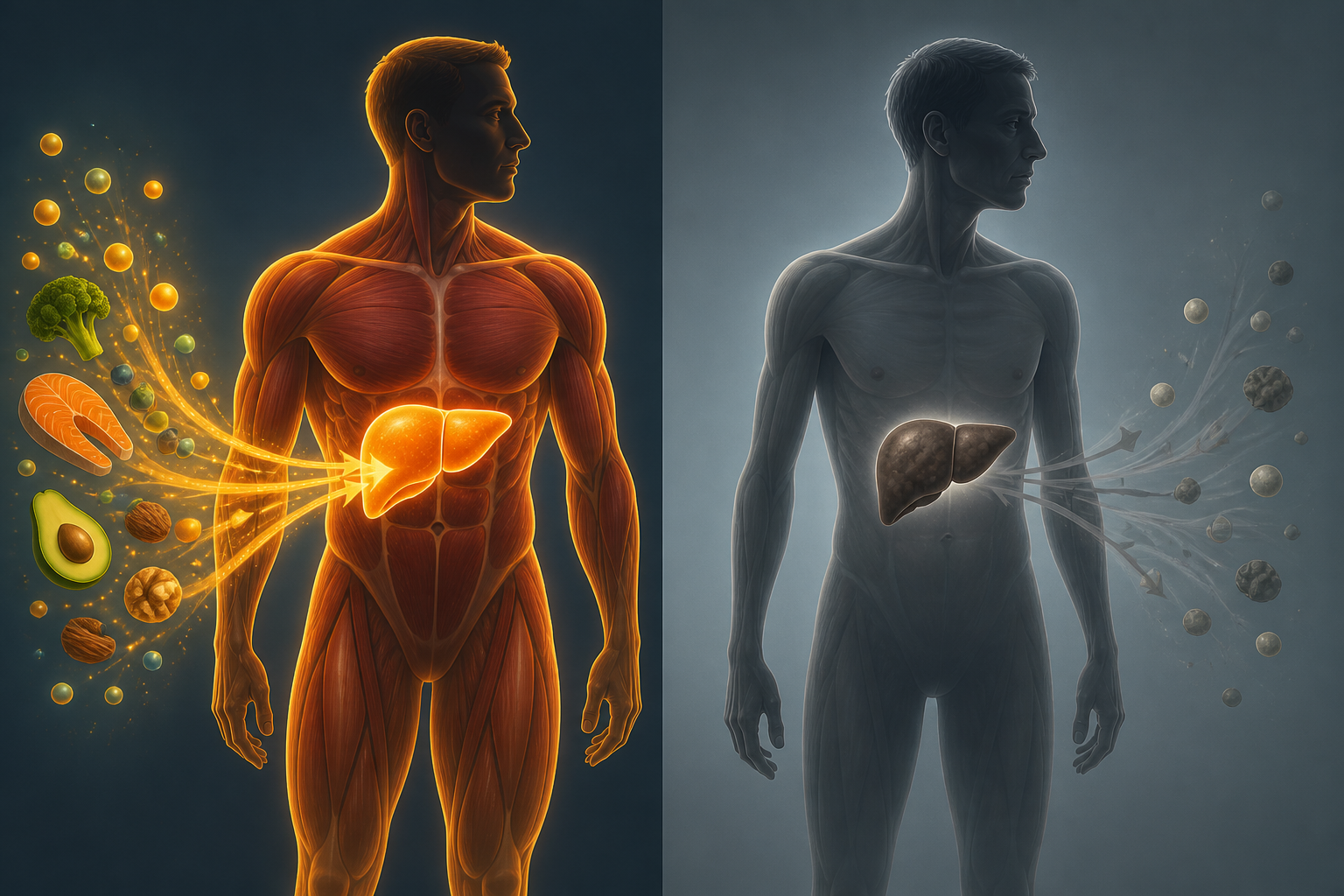
Here’s what makes this symptom tricky. You need to pay attention to whether these changes happen without other obvious explanations. Are you eating normally? Getting decent sleep? If you haven’t changed your diet drastically or started burning the candle at both ends, but you’re still exhausted and weak, your liver might be trying to tell you something.
Gastrointestinal Issues: Nausea, Vomiting, and Abdominal Discomfort
Your liver doesn’t just sit there looking pretty. It plays a starring role in your digestive system by producing bile, which helps break down fats and absorb nutrients. When your liver starts malfunctioning, your entire digestive process can go haywire.
Persistent nausea is one of the first GI symptoms many people notice. You might feel queasy throughout the day, especially after eating. Some people experience frequent vomiting that seems to come out of nowhere. Your appetite might vanish completely, and foods you once loved suddenly seem completely unappealing.
That uncomfortable fullness or pain in your upper right abdomen, just below your ribcage, deserves your attention. This is exactly where your liver sits, and when it’s enlarged or inflamed, you’ll definitely feel it. The sensation might range from a dull ache to sharp pain, and it can get worse after eating.
Unexplained weight loss often accompanies these digestive disturbances related to liver problems. When your body can’t properly digest food and absorb nutrients, the pounds start dropping off without any effort on your part. While that might sound appealing at first, unintentional weight loss is never a good sign.
Cognitive Changes: Brain Fog, Confusion, and Personality Shifts (Hepatic Encephalopathy)
This one sounds scary because it is. When your liver can’t filter toxins from your blood properly, those toxins can travel straight to your brain. The medical term for this is hepatic encephalopathy, but you’ll probably notice it as mental cloudiness or confusion that seems to appear from nowhere.
The early signs might be subtle. Maybe you’re having trouble focusing at work. You walk into a room and immediately forget why you went there. Words that usually come easily suddenly escape you. You might feel like you’re thinking through fog, unable to concentrate or remember things you normally would.
As liver function continues to decline, these cognitive symptoms can become more severe. Some people experience dramatic personality changes that worry their loved ones. You might become unusually irritable, anxious, or depressed. In advanced cases, people can develop tremors, severe lethargy, or even slip into a coma.
These mental changes happen because ammonia and other toxins that should be filtered out by your liver start building up in your bloodstream.
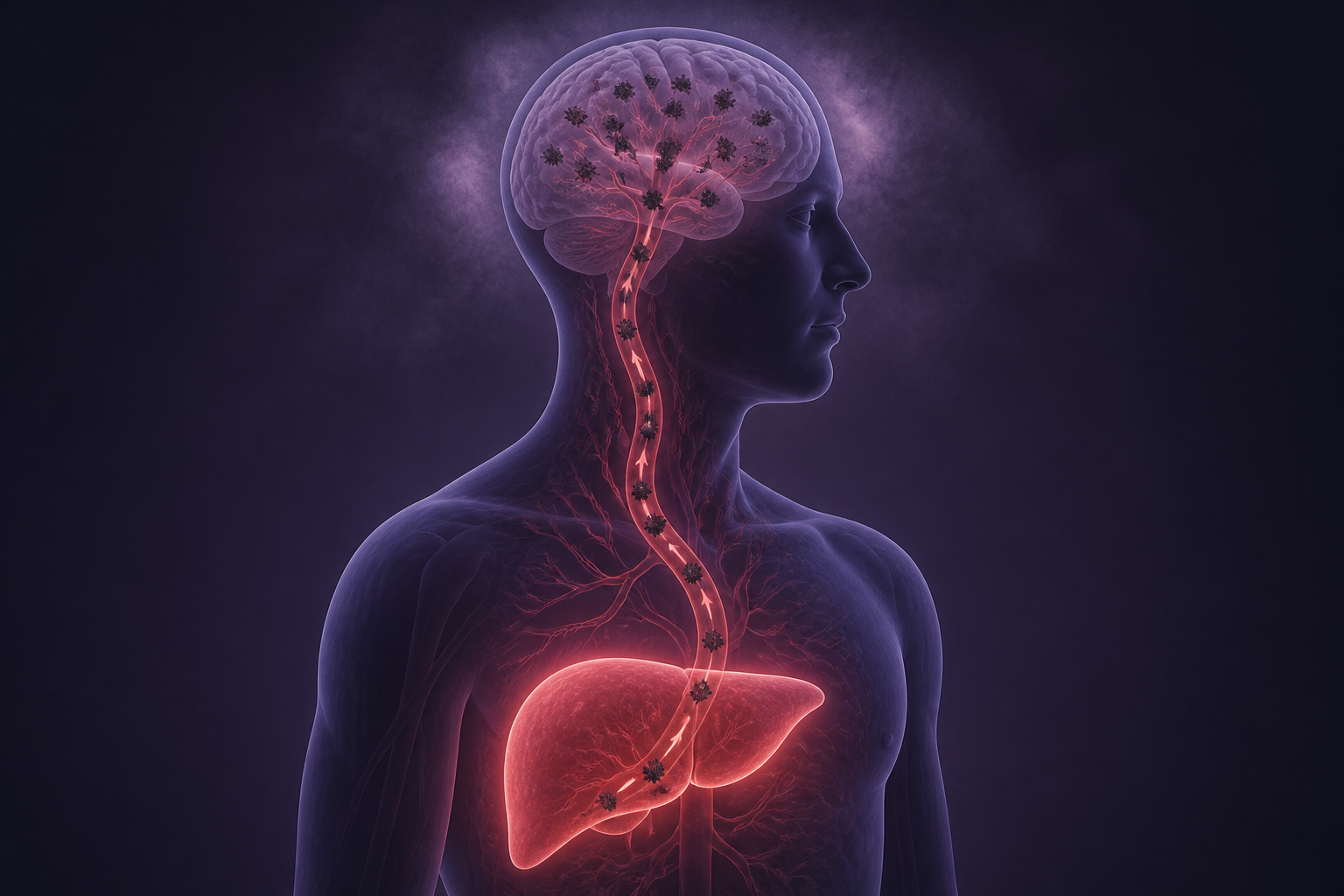 Your brain is incredibly sensitive to these toxins. Even small amounts can affect how you think, feel, and behave.
Never brush off unexplained confusion or mental fog. These symptoms signal that toxins are affecting your brain function, which means your liver is in serious distress and needs immediate medical attention.