
Most people think losing weight starts with a gym membership but they don’t know the facts of how to lose weight without ever going to the gym using healthy eating, daily habits, better sleep, and simple lifestyle changes that work. So they sign up, go for a few weeks, burn out, and end up paying $40 a month for a place they never visit. The truth is, the gym was never the main thing. What you eat, how you move throughout the day, and how well you sleep matter way more than any treadmill session.
That doesn’t mean exercise isn’t important. It just means you don’t need a building full of machines to get it done. Your living room floor, a set of stairs, even a walk around the block after dinner can do serious work. The real challenge is knowing what actually moves the needle and what’s just noise.
This post breaks it all down. You’ll learn how to set up your diet for fat loss, which home workouts actually build muscle and burn calories, and the everyday habits that make weight loss stick for good. No gym required.
The Foundation of Weight Loss: Diet and Nutrition
Understanding Caloric Deficit for Effective Weight Loss
Here’s the truth about weight loss that nobody wants to hear: you can’t outrun a bad diet. Weight loss comes down to one simple principle. You need to consume fewer calories than your body burns each day. This is called a caloric deficit, and it’s the foundation of every successful weight loss journey.
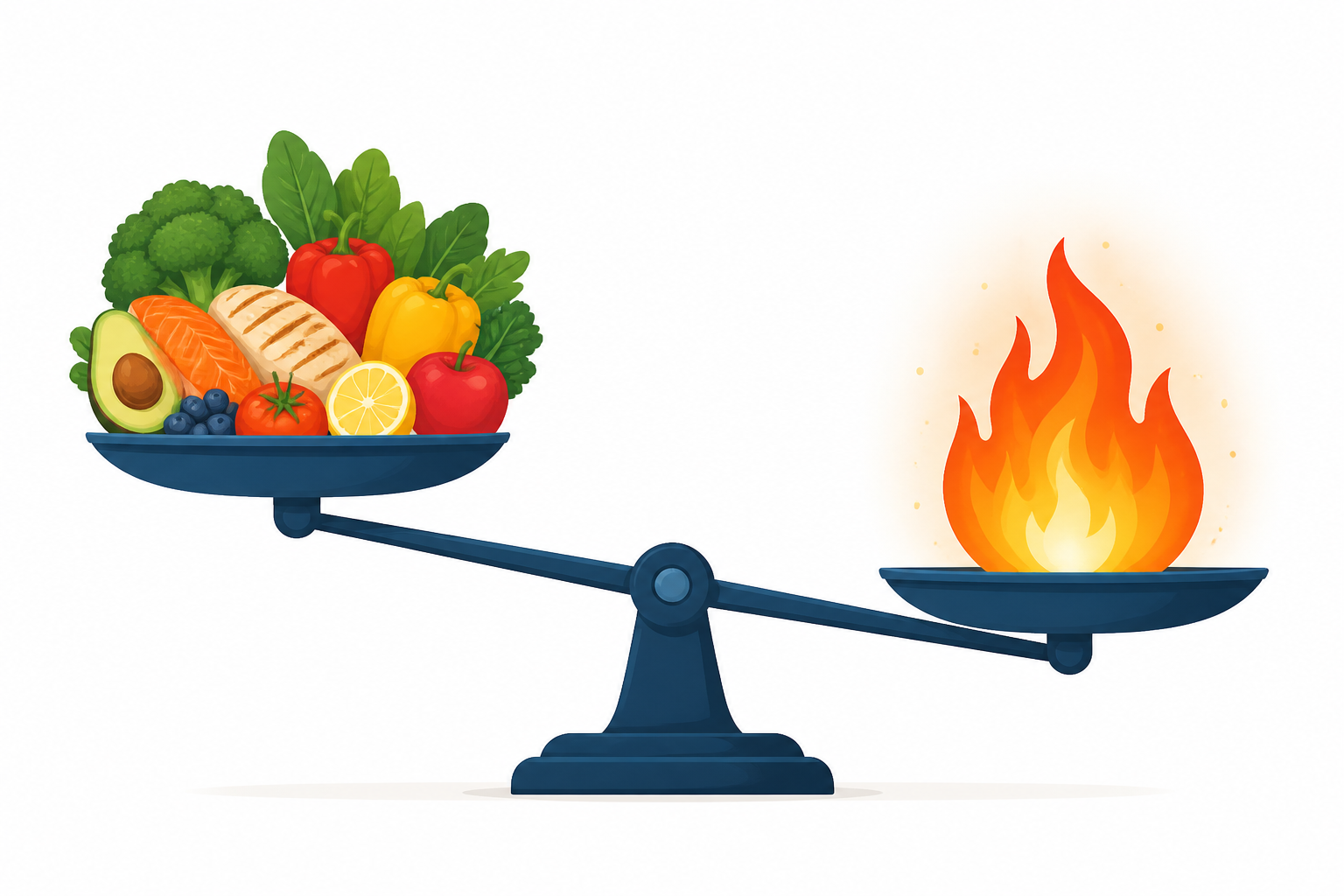
Diet matters more than anything else. You could spend hours sweating it out every single day, but if you’re eating too much, you won’t see results. Exercise is great for your health, but it can’t counteract poor eating habits. Think about it this way: a single slice of pizza can undo an entire hour of cardding.
So where do you start? You need to know how many calories your body actually needs. Online calculators for Total Daily Energy Expenditure (TDEE) and Resting Energy Expenditure (REE) can help you figure this out. They’re free, easy to use, and give you a solid starting point.
Once you know your number, aim to eat 300 to 500 calories less than that each day. This range is perfect. You’ll lose weight safely and sustainably without feeling like you’re starving yourself or slowing down your metabolism.
Prioritizing Protein and Fiber for Satiety and Metabolism
Protein is your best friend when you’re trying to lose weight without hitting the gym. It keeps you feeling full longer, crushes hunger pangs, and actually makes your body work harder to digest it. That extra work? It burns more calories. Protein also revs up your metabolism, which means you’re burning more calories even when you’re doing absolutely nothing.
Aim for protein to make up 10 to 35% of your daily calories.
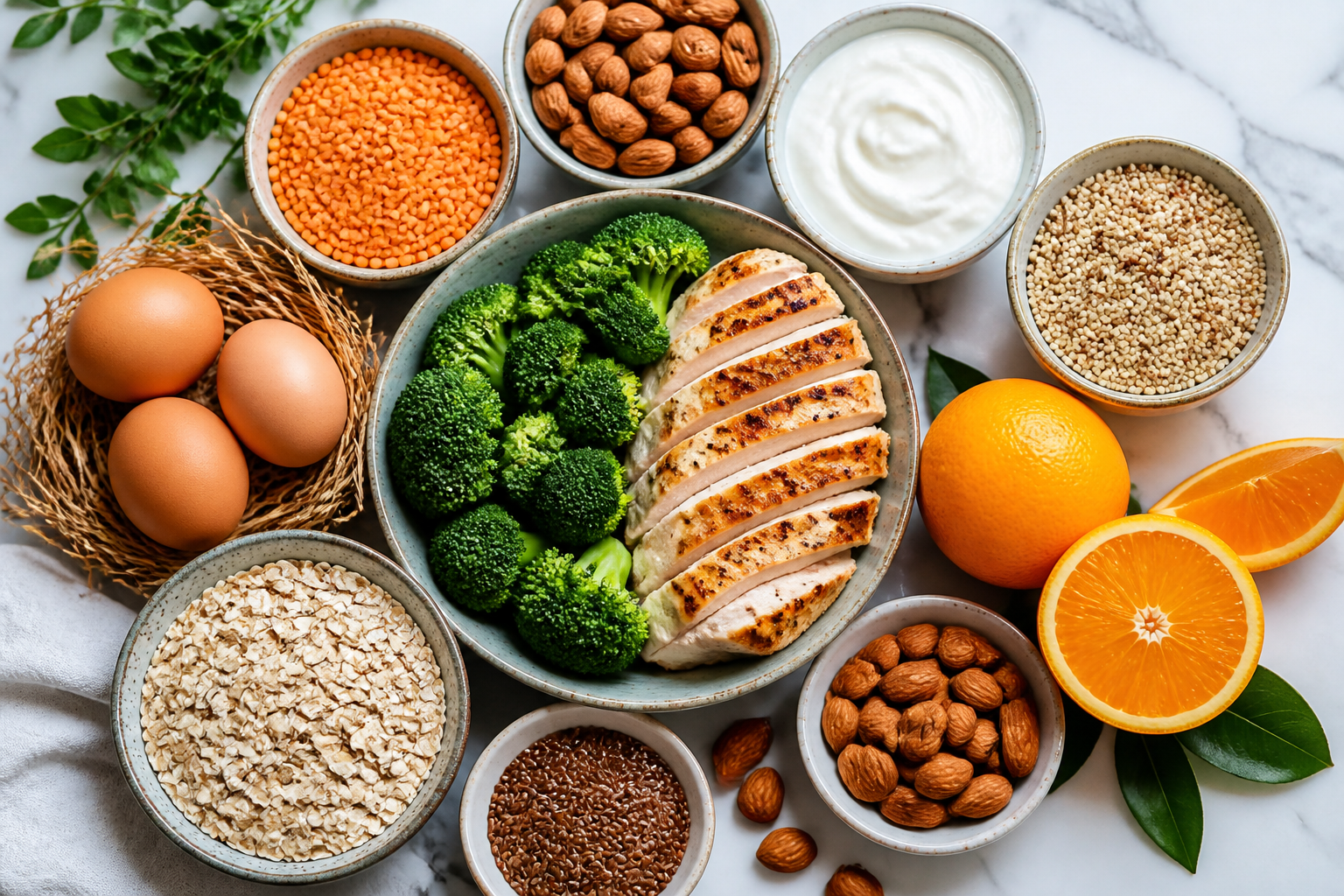 If you want to get more specific, shoot for up to 1.6 grams per kilogram of your body weight. You don’t need expensive protein shakes or supplements either. Load up on legumes, lean meat, seafood, eggs, nuts, and seeds. Greek yogurt, lentils, quinoa, and almonds are all excellent choices that fit into most budgets and meal plans.
Now let’s talk about fiber. This nutrient is seriously underrated. Fiber helps your digestion run smoothly, makes you feel full faster, and gives you energy that lasts for hours instead of leaving you crashed on the couch. Most adults should get between 25 and 38 grams of fiber daily.
Pay special attention to viscous fiber. You’ll find it in beans, oat cereals, Brussels sprouts, asparagus, oranges, and flaxseed. This type of fiber slows down how fast your stomach empties and helps your body absorb nutrients more effectively. The result? You feel satisfied longer and eat less throughout the day.
Fill two thirds of your diet with nutritious whole foods like vegetables, whole grains, beans, fruits, nuts, and seeds. This isn’t about deprivation. It’s about crowding out the junk with foods that actually fuel your body.
Smart Eating Habits and Portion Control
The way you eat matters just as much as what you eat. Slow down and chew your food thoroughly. Research shows this simple habit leads to eating less food, feeling fuller faster, and naturally choosing smaller portions. Speed eating does the opposite. People who eat quickly tend to have a much higher BMI.
Here’s a psychological trick that actually works: use smaller plates. Your brain judges portion sizes based on visual cues, and a full small plate looks like more food than the same amount on a large plate. Swap your dinner plates for salad plates and watch your calorie intake drop without feeling deprived.
Take this strategy further by serving nutrient dense, lower calorie foods on bigger plates and high calorie treats on smaller ones. Your vegetables can pile high while dessert stays modest.
You don’t need to obsessively track every single calorie. Just pay attention to portion sizes. This mindful approach helps you cut calories without the stress of constant counting.
Cook at home whenever possible. People who prepare their own meals consistently weigh less and have better overall diet quality compared to those who rely on restaurants or prepared foods. You control the ingredients, the portions, and exactly what goes into your body.
Avoiding Liquid Calories and Processed Foods
Liquid calories are sneaky. Sugary drinks, beer, and wine slide down easy, but they don’t fill you up like solid food does. Your body doesn’t register them the same way. You can drink 500 calories and still feel hungry an hour later.
The research is clear: drinking lots of sugar sweetened beverages leads to weight gain and higher BMI levels. The good news? Swap those drinks for water, sparkling water, unsweetened tea, or vegetable juice, and you’ll see real reductions in body weight and body fat.
Cut back on refined carbohydrates, fried foods, and sweets. These foods pack in tons of calories without giving your body much nutrition in return. Refined sugars and heavily processed foods are especially problematic because they’re designed to make you want more, not to nourish you.
This doesn’t mean you can never enjoy a treat. But make processed foods the exception, not the rule. Your body will thank you with steady energy, better mood, and yes, weight loss that actually sticks.
Effective Home Workouts and Physical Activity
Incorporating Daily Movement and Intentional Exercise
You don’t need expensive equipment or a gym membership to get moving. Intentional exercise is any structured, planned, and repetitive movement that improves your overall health and helps with weight loss. The good news? You can do all of it from home or around your neighborhood.
The American Heart Association recommends getting at least 150 minutes of moderate exercise or 75 minutes of vigorous exercise each week. That might sound like a lot, but breaking it down makes it totally manageable. Think 30 minutes a day, five days a week for moderate activity. Can’t carve out a full half hour? No problem. Split it into 10-minute chunks throughout your day. These shorter bursts count just as much.
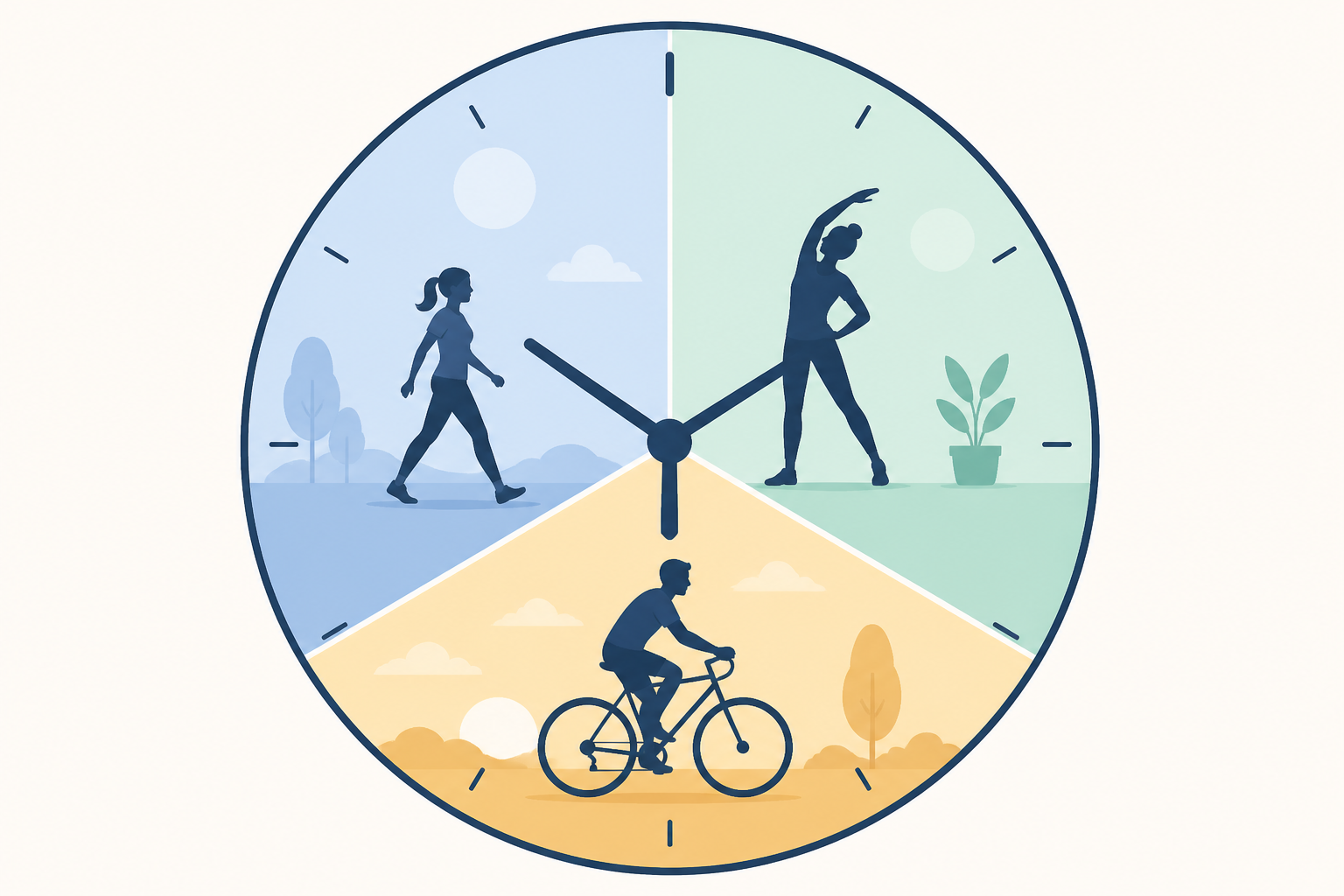
Walking is one of the simplest ways to hit your exercise goals. A 15-minute stroll burns three times as many calories as sitting on the couch. Three times! Walking after meals delivers an extra bonus by helping stabilize your blood sugar levels. Take a lap around your block after dinner or walk while you’re on the phone. Every step counts when you’re learning how to lose weight without ever going to the gym.
Bodyweight Strength Training for Muscle and Metabolism
Strength training sounds intimidating, but you absolutely don’t need weights or machines. Your own body provides all the resistance you need. Working out 2-3 times per week builds muscle mass, which cranks up your resting metabolic rate. That means you burn more calories even when you’re just sitting around watching TV.
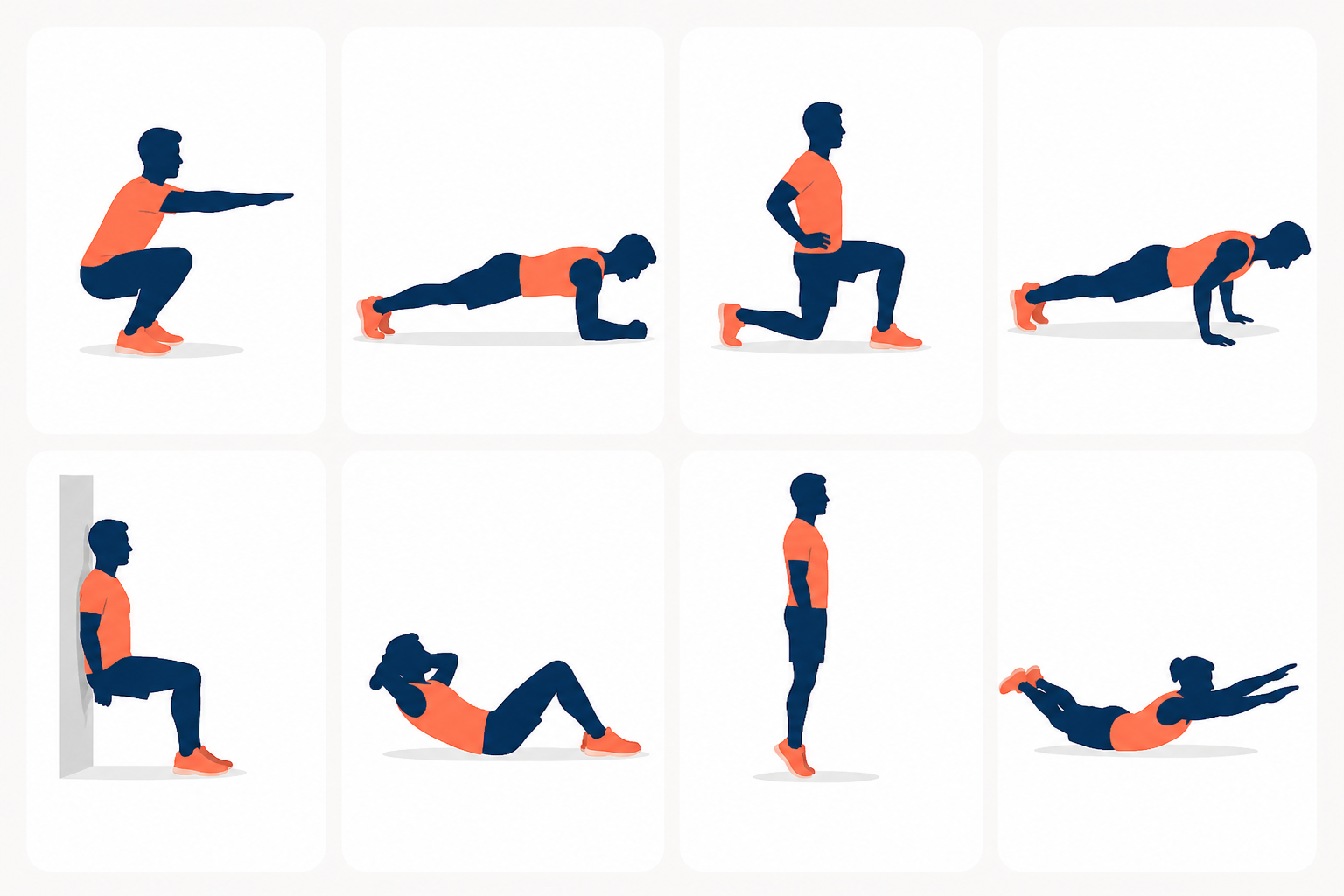
Try adding these effective bodyweight exercises to your routine: wall sits, planks, calf raises, superman holds, sit-ups, squats, lunges, and push-ups. If regular push-ups feel too tough right now, start by doing them against a kitchen counter or wall. Everyone starts somewhere.
Consistency matters way more than intensity here. Short exercise sessions spread throughout the week beat one marathon workout session every time. Your muscles need regular stimulation to grow and maintain themselves.
Quick and Vigorous Exercises for Calorie Burn
Morning person? Starting your day with exercise might help you lose more fat. If mornings aren’t your thing, don’t stress about it. What matters most is finding a time that works for your schedule.
Got stairs in your house? Climbing them for just 10 minutes improves your body composition and reduces body fat. Dancing for an hour burns anywhere from 200 to 600 calories while building strength and flexibility. Put on your favorite playlist and move.
Intense 10-minute workouts can jumpstart your metabolism just as well as 20-30 minutes of moderate exercise. Even five minutes of vigorous movement burns calories and boosts your cardiovascular fitness.
Try Tabata if you want a serious challenge. This high-intensity interval training method involves doing four total-body moves like plank jacks and jump squats for 20 seconds each, followed by 10 seconds of rest. Repeat this pattern for four minutes total. Tabata burns about 13.5 calories per minute and doubles your calorie burn for 30 minutes afterward.
Creative Ways to Stay Active Throughout Your Day
Fitting movement into your regular routine makes exercise feel less like a chore. Take brisk 5-10 minute power walks during work breaks. Do jumping jacks or mountain climbers while waiting for laundry to finish.
Got kids? Play actively with them at the park by shooting hoops, playing catch, or taking family strolls. Walk or jog during their sports practice instead of sitting in your car scrolling through your phone. These moments add up fast.
Picking up your pace while walking or running burns more total calories. Changing your pace frequently can burn up to 20% more calories than maintaining a steady speed. Even fidgeting throughout the day burns extra calories and counteracts some negative effects of sitting for long periods.
Choose manual tasks when possible. Shoveling snow for an hour burns over 400 calories. Raking leaves, washing your car by hand, scrubbing floors on your hands and knees… these everyday activities count as real exercise when you’re figuring out how to lose weight without ever going to the gym.
Lifestyle Changes for Sustainable Weight Loss
The Importance of Quality Sleep for Weight Management
Your sleep schedule might be sabotaging your weight loss goals without you even realizing it. Research shows that getting enough quality sleep makes losing weight significantly easier. Adults should aim for at least seven hours per night.
What happens when you skimp on sleep? Your body starts working against you. Sleep deprivation throws your hunger hormones completely out of balance. Two key hormones, leptin and ghrelin, regulate your appetite throughout the day. Leptin tells your brain when you’re full, while ghrelin signals hunger. When you’re sleep deprived, ghrelin levels spike and leptin drops. The result? You feel hungrier and your cravings intensify, making it nearly impossible to stick to healthy eating habits.
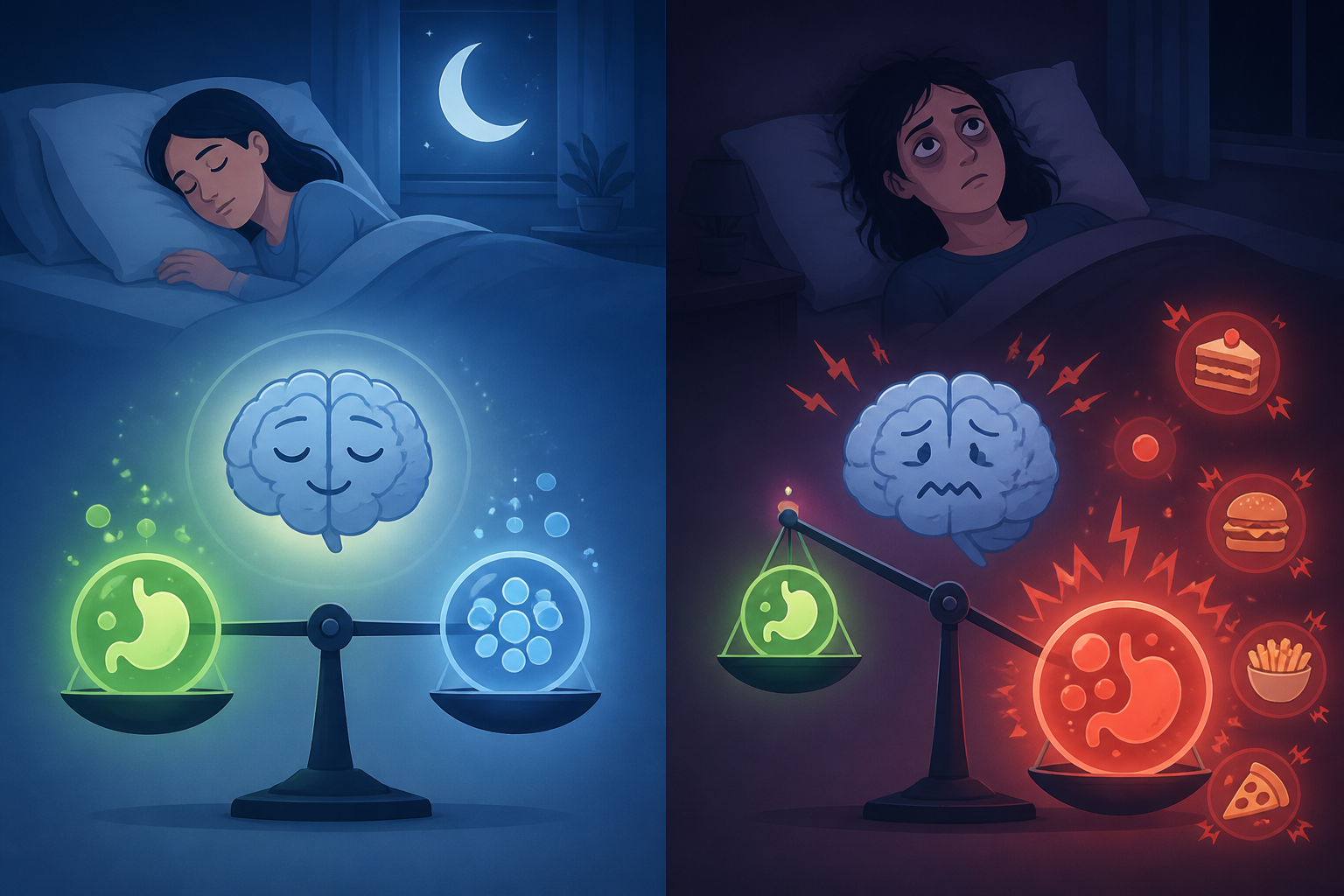
Want to improve your sleep quality tonight? Start by creating a two-hour buffer zone before bedtime. Turn off your phone, tablet, and television during this time. The blue light from screens interferes with your natural sleep cycle. Skip the heavy meals and alcohol too. Your body needs time to digest before settling into restful sleep. If you’re genuinely hungry before bed, a light snack can actually help you fall asleep faster.
Managing Stress for Better Health and Weight
Stress does more than affect your mood. It actively works against your weight loss efforts. When you’re stressed, your body pumps out cortisol, the primary stress hormone. Elevated cortisol levels trigger increased hunger and those nagging cravings for comfort foods. Before you know it, you’re consuming way more calories than your body needs.
Here’s the good news: exercise naturally combats stress, anxiety, and depression. You don’t need a gym membership to reap these mental health benefits. A simple walk around your neighborhood can clear your head and lower cortisol levels.
Mindful stress management techniques also play a crucial role in controlling your appetite and managing your weight. Deep breathing exercises, meditation, or even journaling for ten minutes each day can make a real difference. When you handle stress better, you make better food choices.
Mindful Eating and Avoiding Distractions
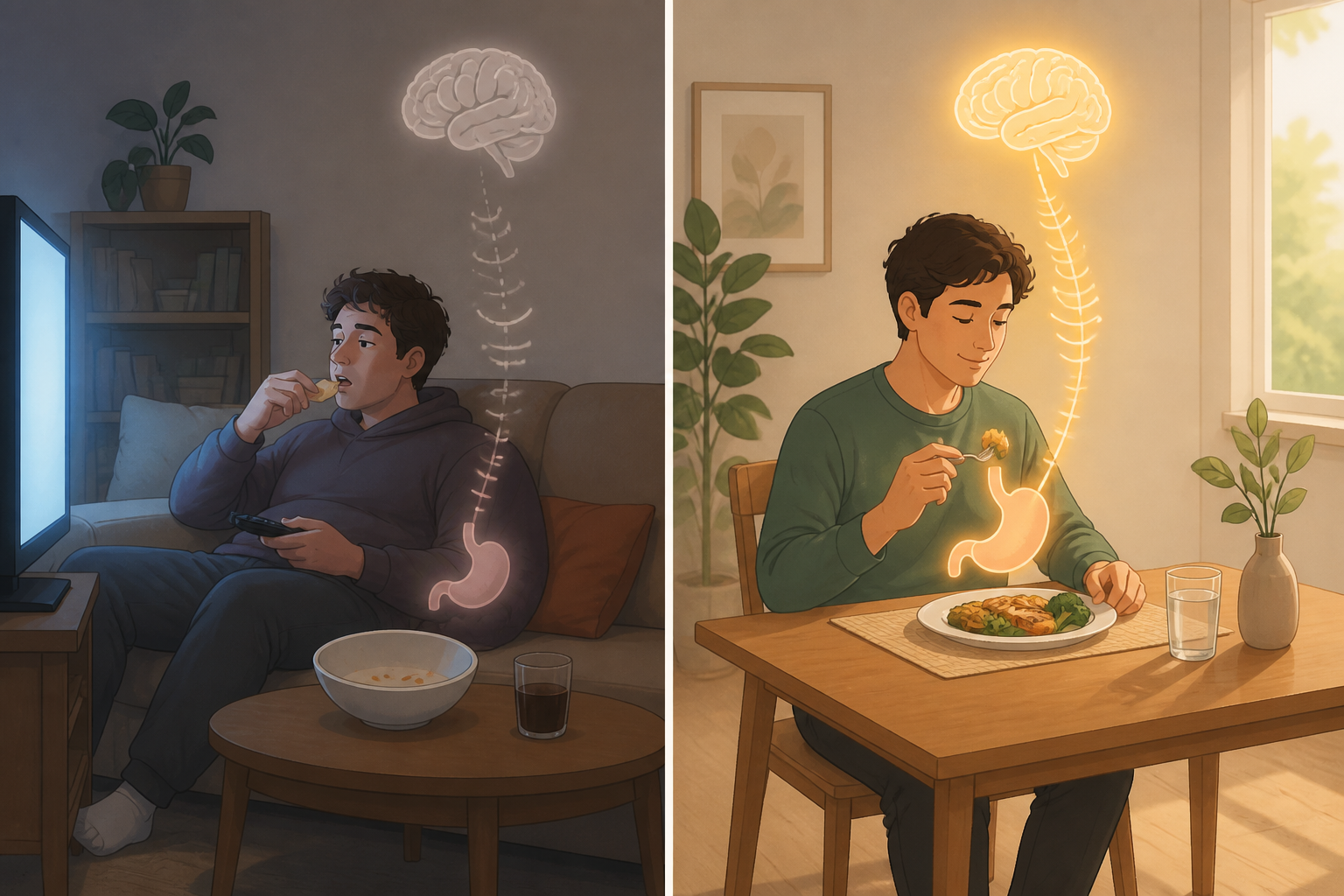
How you eat matters just as much as what you eat. Paying full attention to your meals helps you consume fewer calories naturally. Your brain needs time to register fullness signals from your stomach. Eating while distracted short circuits this communication.
Watching TV during meals is one of the worst culprits. The visual stimulation affects your sensory experience of eating. You might finish an entire plate without tasting much of it or noticing how full you feel. The same thing happens when you’re deeply engaged in conversation during meals.
Distracted eating creates a domino effect. You don’t feel as satisfied after eating, so you consume more calories in that sitting. Your fullness signals arrive late. You end up eating again sooner than you would have if you’d been fully present during your meal.
Consistency and Accountability for Long-Term Success
Consistency beats perfection every single time when it comes to weight loss. You need to show up regularly with both your diet and activity choices. Short bursts of extreme effort followed by periods of neglect won’t get you anywhere sustainable.
The numbers are encouraging though. Losing just 5% to 10% of your initial body weight can significantly reduce various health risks. If you weigh 200 pounds, that’s only 10 to 20 pounds. That’s totally achievable without ever stepping foot in a gym.
Don’t try to go it alone. Enlisting a friend or family member to exercise with you dramatically increases your chances of success. Share your specific goals with someone who will check in on your progress. Accountability keeps you honest on days when motivation runs low.
Weight loss creates its own momentum. When people start seeing results, the experience becomes naturally reinforcing. You develop this internal voice that says, “I can do this.” That confidence carries you through challenges and setbacks. Each small victory builds on the last, creating sustainable habits that stick long term.
Conclusion
Losing weight without ever going to the gym is not only possible—it can be one of the most sustainable ways to improve your health. The secret isn’t expensive equipment or long workout sessions. It’s about creating healthy habits that you can follow every day. Eating nutritious whole foods, maintaining a calorie deficit, staying active through walking and bodyweight exercises, getting enough sleep, managing stress, and practicing mindful eating all work together to support long-term weight loss.
Remember, consistency always beats perfection. Small lifestyle changes repeated daily will produce better results than extreme diets or short-term fitness challenges. Focus on building habits that fit naturally into your routine, and you’ll not only lose weight but also improve your overall health and energy levels. Start today with one simple change, stay committed, and let your healthy habits transform your life—no gym membership required.
Frequently Asked Questions (FAQ)
1. Can I really lose weight without going to the gym?
Yes. Weight loss primarily depends on maintaining a calorie deficit, eating healthy foods, and staying physically active. Walking, home workouts, and healthy lifestyle habits can help you lose weight without ever visiting a gym.
2. What is the fastest way to lose weight without exercise?
The safest and most effective approach is to eat fewer calories than your body burns, increase your protein and fiber intake, avoid sugary drinks and processed foods, drink plenty of water, and get enough sleep. Crash diets are not recommended because they are difficult to maintain.
3. How much weight can I lose in a month without going to the gym?
Most health experts recommend losing 1–2 pounds (0.5–1 kg) per week, which means you can safely lose 4–8 pounds (2–4 kg) per month through healthy eating and an active lifestyle.
4. Is walking enough to lose weight?
Yes. Walking is one of the best low-impact exercises for weight loss. Walking for 30–60 minutes daily, combined with a healthy diet, can significantly improve calorie burning and overall fitness.
5. Which foods help with weight loss?
Choose foods that are rich in nutrients and keep you full longer, such as:
- Lean protein (chicken, fish, eggs, legumes)
- Whole grains
- Fruits and vegetables
- Nuts and seeds
- Greek yogurt
- Oats
- Beans and lentils
6. Can I lose belly fat without going to the gym?
Yes. You cannot target belly fat alone, but by reducing overall body fat through healthy eating, daily physical activity, quality sleep, and stress management, your belly fat will gradually decrease.
7. How important is sleep for weight loss?
Sleep plays a major role in weight management. Adults should aim for 7–9 hours of quality sleep each night because poor sleep increases hunger hormones, cravings, and the risk of overeating.
8. Should I count calories every day?
Not necessarily. While calorie tracking can help beginners understand portion sizes, many people successfully lose weight by focusing on whole foods, mindful eating, and proper portion control instead of counting every calorie.
9. What home exercises are best for weight loss?
Effective bodyweight exercises include:
- Squats
- Lunges
- Push-ups
- Planks
- Mountain climbers
- Jumping jacks
- Burpees
- Stair climbing
These exercises require little or no equipment and can be done at home.
10. How long does it take to see weight loss results?
Most people notice changes within 4 to 8 weeks when they consistently follow a healthy diet and active lifestyle. Results vary depending on age, metabolism, starting weight, and consistency.
11. Can drinking more water help me lose weight?
Yes. Drinking water before meals can help reduce calorie intake, improve digestion, and keep you hydrated. Replacing sugary beverages with water also reduces unnecessary calories.
12. What is the biggest mistake people make when trying to lose weight?
The most common mistakes include:
- Skipping meals
- Following crash diets
- Drinking sugary beverages
- Eating oversized portions
- Sleeping too little
- Expecting instant results
- Being inconsistent with healthy habits
Staying patient and consistent is the key to lasting weight loss.